Welcome to Psych 215!
Please log into your computer : use your Insite ID
Then take this short survey : tinyurl.com/helloRM
Agenda and Announcements
Agenda :
- 10 Min : Welcome and Check-In
- 30 Min : Part 1 : Research in Psychology
- 30 Min : Part 2 : Sources of Knowledge
- 10 Min : Recap & Next Week
Announcements :
These notes are on Canvas. Let me know how access goes.
Waitlist students! Talk to me after class.
Office Hours in SSSC. 12:35 - 2:00.
Part 1 : Research in Psychology
Professor : Arman (Daniel) Catterson
say : Arman…Professor…Professor Catterson…Dr. Catterson
from : Austin, TX to UC Berkeley to stayin in the bay forever teaching here full-time and also at Berkeley as a continuing lecturer (sit in on my stats class if you’d like to feel out the cal vibes!)
Students : THIS CLASS IS FOR Y’ALL!!!
attendance is critical. especially when you are behind.
your voice is needed.
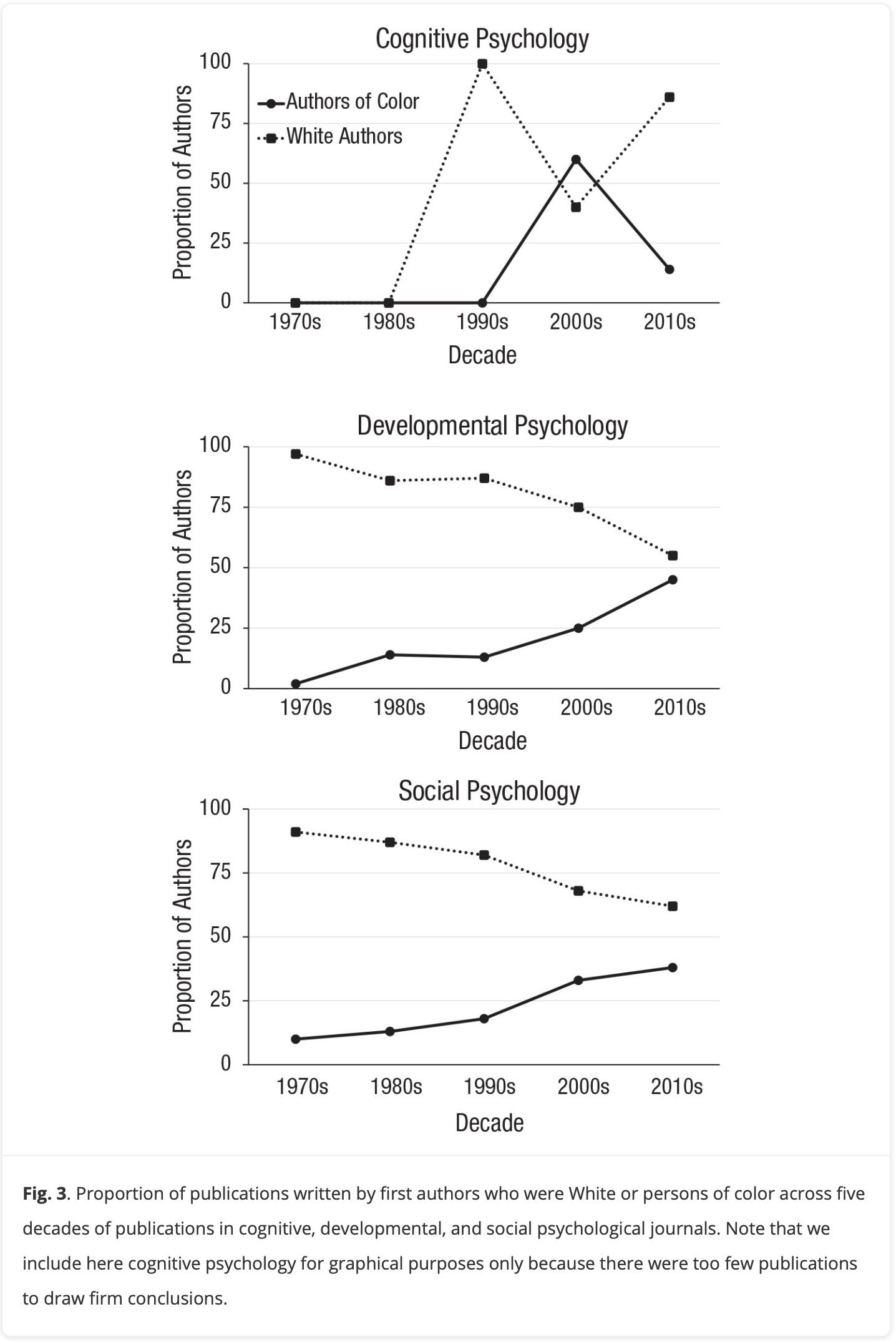
in psychology : majority of researchers (and editors who control research) are white.
in the classroom : we learn from each other.
clap once if you are here….
all talk at once :)
look around the room
Psychology as a Science TM
“Psychology is a diverse discipline, grounded in science, but with nearly boundless applications in everyday life. Some psychologists do basic research, developing theories and testing them through carefully honed research methods involving observation, experimentation, and analysis. Other psychologists apply the discipline’s scientific knowledge to help people, organizations, and communities function better.” - From the American Psychology Association (APA, January 26th)
Variables and Variation
- Variation : changes, differences, complexity. Our scientific knowledge tries to understand this variation.
- Variable : a thing that varies.
The ABCs of Psychology.
- A = AFFECT = an emotion that you feel.
- B = BEHAVIOR = a thing that you do.
- C = COGNITION = a thought that you have.
CLASS DISCUSSION : consider the variable happiness in terms of its AFFECT, BEHAVAIOR, and COGNITION. Which are you more interested in?
HW Discussion Post :
What’s a research topic that you would be interested in learning more about? What is the variable that is the focus of this question? What are some of your past experiences that influence your interest or beliefs in this question?
Wait, but What is Science?
Science is Prediction
prediction : an educated guess about the future based on knowledge.
Valid : when your prediction is right.
Error : your prediction is wrong (“life is complex!”)

Science is Control
control : how scientists try to change the future based on their scientific predictions.
DISCUSSION : Prediction & Control in Real Life
What are some examples of predictions that you made today (about people)?
What information informed these predictions?
How did you use this knowledge to try and control outcomes?
Was your prediction valid?
Psychological Science
Paradigms of Inquiry
Read the four statements below; which perspective do you believe about psychology? What do you think most psychologists believe? Why?
POSITIVISM : there is a REAL TRUTH about what makes people think, feel, and act that we can someday learn.
POST-POSITIVISM : reality exists, but we may not be able to ever understand REAL TRUTH because our ability to study reality will always be influenced by people.
SOCIAL CONSTRUCTIVISM : reality and “truth” are made up by people (and scientists); scientific knowledge is just a reflection of our society’s pre-existing beliefs.
ANTI-POSITIVISM / CRITICAL THEORY : there is no reality or “truth” to what people are like/ using science to understand “truth” removes autonomy from people (it turns people into machines).
How are Psychologists Doing with This Science Stuff?
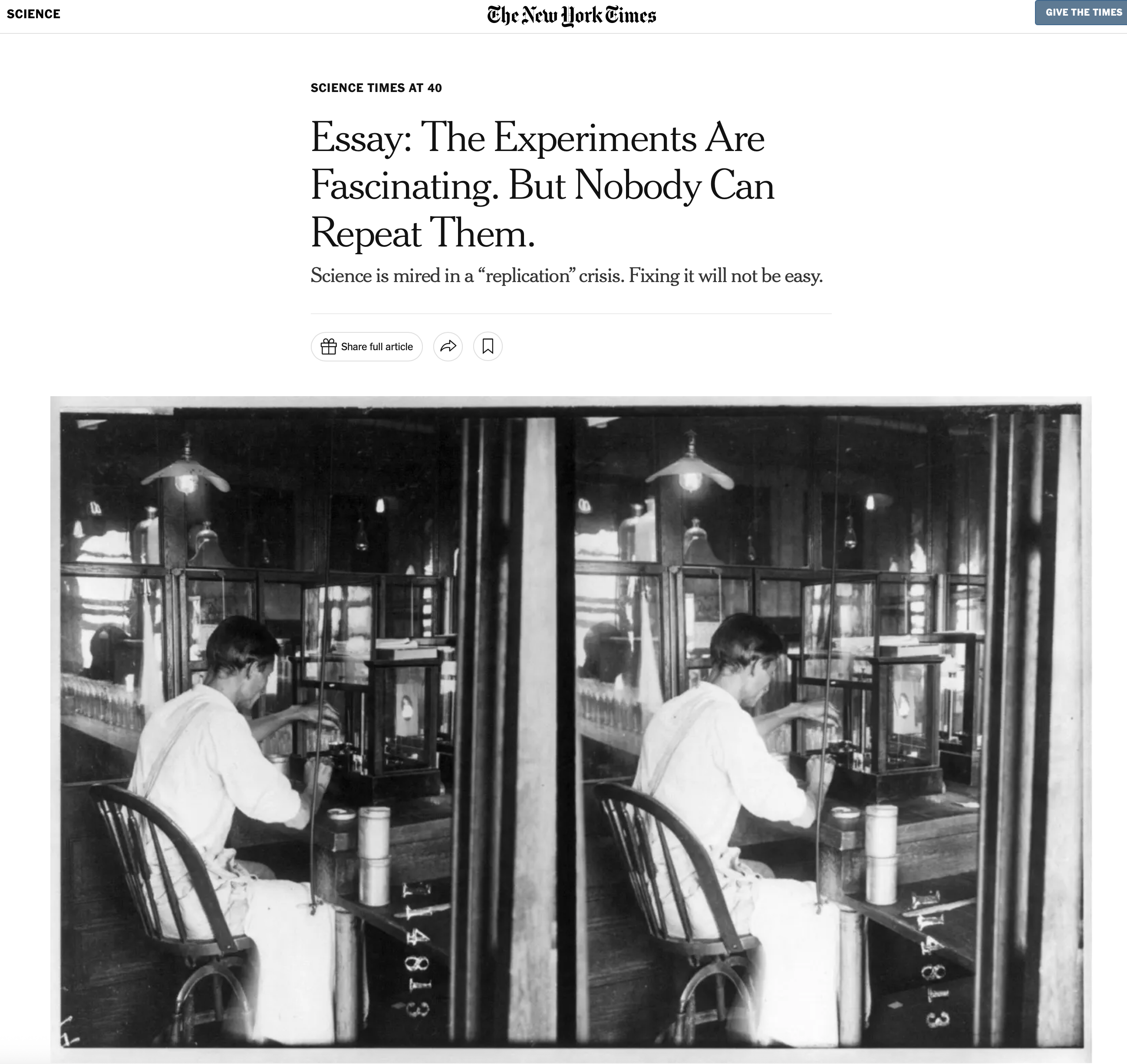
Quick Break 5 Min
During the break, think about some belief you hold.
Some Examples.
Attendance is an important to learning.
Breakfast tacos are better than breakfast burritos.
Large amounts of taxpayer money should be redirected from military spending to funding public education, healthcare, and housing.
Part 2 : Sources of Knowledge
Thinking About Our Methods of Knowing
Type out your belief in the RESEARCH METHODS VISION BOARD.
Find a belief on the list that…
- You agree with
- You disagree with (be kind!).
- We are different! We are the same!!
Intuition
The first method of knowing is intuition. When we use our intuition, we are relying on our guts, our emotions, and/or our instincts to guide us. Rather than examining facts or using rational thought, intuition involves believing what feels true. The problem with relying on intuition is that our intuitions can be wrong because they are driven by cognitive and motivational biases rather than logical reasoning or scientific evidence. While the strange behavior of your friend may lead you to think s/he is lying to you it may just be that s/he is holding in a bit of gas or is preoccupied with some other issue that is irrelevant to you. However, weighing alternatives and thinking of all the different possibilities can be paralyzing for some people and sometimes decisions based on intuition are actually superior to those based on analysis.
DEFINITION : In your own words, how would you define this epistemology?
EXAMPLE : What’s an example of this epistemology?
CONSEQUENCES : What’s a way that this epistemology helps people? What are some ways that this epistemology might mislead people?
QUESTIONS : What other questions or comments about this epistemology do you have?
NEXT WEEK : Bias
DISCUSSION : What words or ideas come to mind when you think of the word “bias”
TO DO : Read!
- Readings.
- Scientific method in five easy steps
- Why Clever People Believe Stupid Things
- More on the Replication Crisis.
- Reading Quiz + Discussion
- Attend class next week :)
BYE.
