Welcome to Psych 101

Announcements

  • Section Swap : post on bCourses to find someone to swap with.
  • Waitlisted Students : Thanks for your patience! Go bears…
  • Join the Class Discord : link on bCourses
  • Next Week :
    • Attend Discussion Section
    • Read Chapter 1
    • Complete Quiz 1

Agenda

  • 10 Minutes : Check-In

  • 45 Minutes : Who and Why and What Statistics?

  • 10 Minutes : Break Time

  • 45 Minutes : Why R?

Part 1 : Who and Why and What Statistics?

Who Statistics?

Professor : Arman (Daniel) Catterson

  • say : Arman…Professor…Professor Catterson…Dr. Catterson

  • from : Austin, TX to UC Berkeley to stayin in the bay forever teaching here as an adjunct and full-time at Diablo Valley College.

    an image of kermit the frog on a bicycle

Students : THIS CLASS IS FOR Y’ALL!!!

  • attendance is critical, especially when you are behind.

  • your voice is needed.

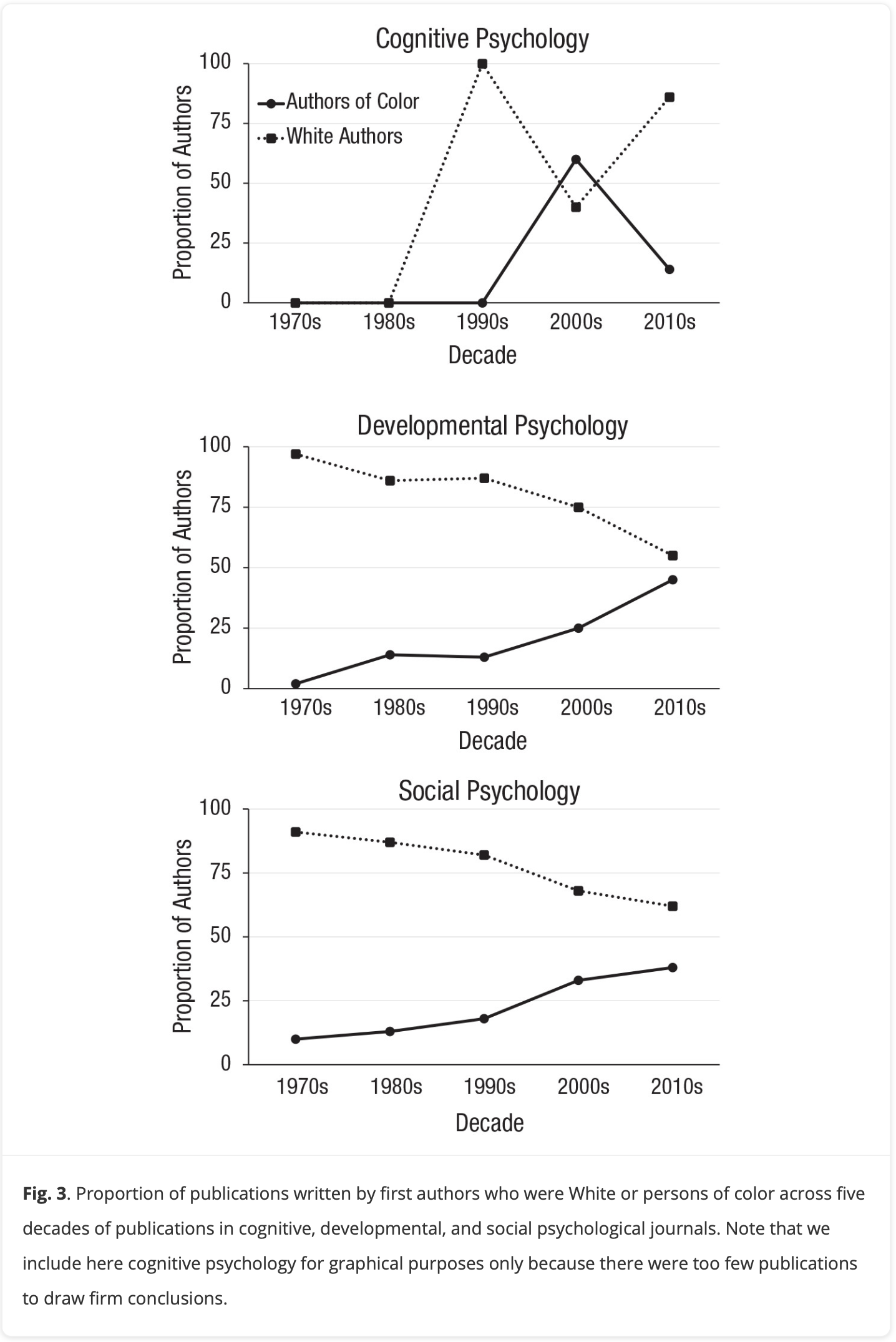
    • in psychology : majority of authors (and editors who control research) are white.

    • in the classroom : we learn from each other.

      • clap once if you are here….

      • all talk at once  :)

      • look around the room

Buddy System

  • everyone has a buddy

  • talk to your buddy in this class

    • ICE BREAKER : Why did you sit in this seat on the first day of class? What went into that decision?

    • Why Psych 214? Why are psych majors are REQUIRED to take a stats class??

Why Statistics?

Statistics as a language.

  • What happens in a good language class?

Variables and Variation.

  • variation : change, differences, growth, complexity

    • zero variation. everyone is the same. :(

    • life is complex. and statistics is about defining that complexity

  • variable : a thing that varies.

a colorful mural titled "a future for everyone" that depicts a variety of images and people

the ABCs of Psychology

  • Affect : the emotions you feel

  • Behavior : the things you do

  • Cognition : the ideas (or brain activation) you think

  • EXAMPLE : how can we think of happiness in terms of the ABCs?

Goal of Science.

  • to describe variation

  • to make predictions [see Chapter 1]

What Statistics?

This Semester

  • Psych 101 :

    • flipped classroom. Readings before class; class time to practice and discuss.

    • We have a syllabus. Any questions so far?

  • What predicts a good class experience??
Authentic Assessments

  1. Brain Exams : You look at some statistical results (graphs, tables) and interpret what you see with only your human brain to help you.
  2. R Exam : You are given a dataset and a research question and asked to prepare a report with access to every possible tool you could want to use (see course AI policy).
  3. Final Project : You learn more about a psychological variable you care about, design a study to answer a question about this variable, collect the data from friends and family (n = 10), analyze the data using R, and write everything up as a research report.
    • Milestone #1 (in Section) : What’s a question you are interested in?

AI Policy

  • AI as a tool : you should be doing the learning.

  • be transparent : let us know how you used / share your prompts (see syllabus)

  • imperfection is okay! reach out for help if you are struggling.
BREAK TIME : MEET BACK AT __________
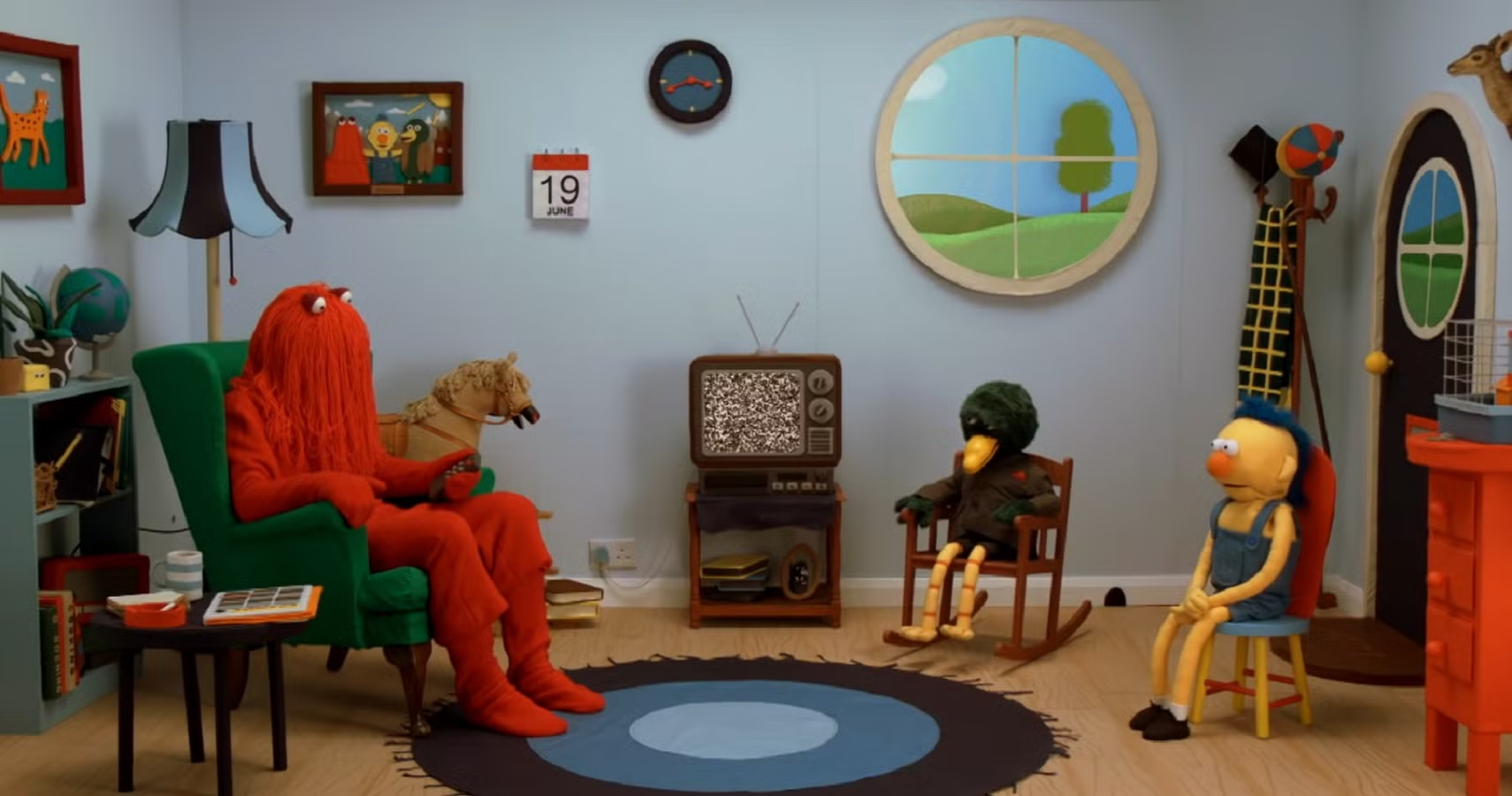
Part 2 : Why R?

Visualization Activity

  • Close your eyes

  • Take a deep breath (inhale / exhale)

  • Visualize an image based on the word that you hear me say.

  • What do you observe?

Why R?

  • free : open source, no cost,

  • flexible : can do many things (stats, graphs, authoring, works well with python tools)

  • famous : lots of tutorials, guides, courses, AI knows it, respected in psychology / sciences.

R is Your New Friend

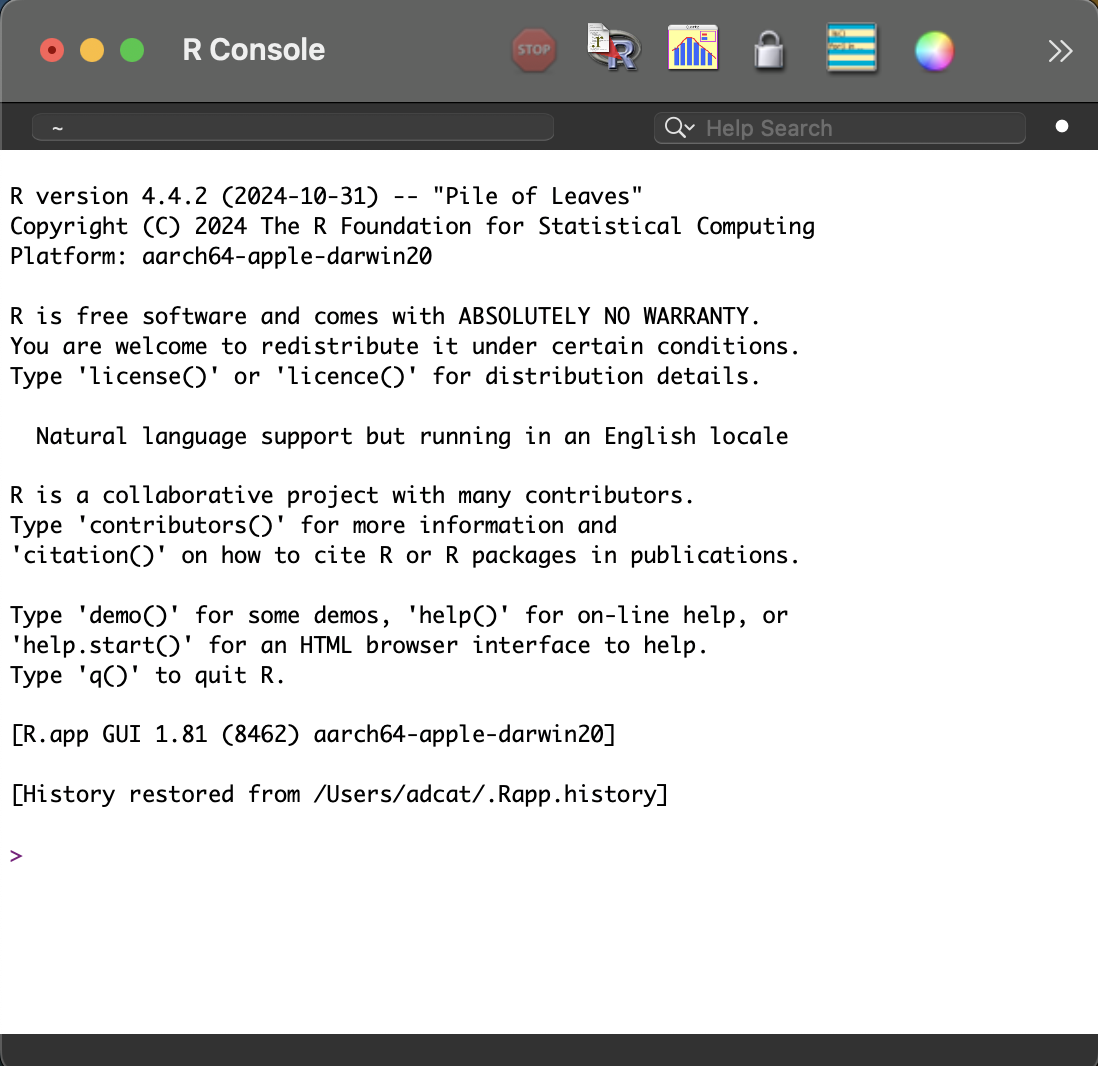
The R Console :

  • where R does its work

  • what’s your first reaction to this image? what does your eye look at? gloss over?
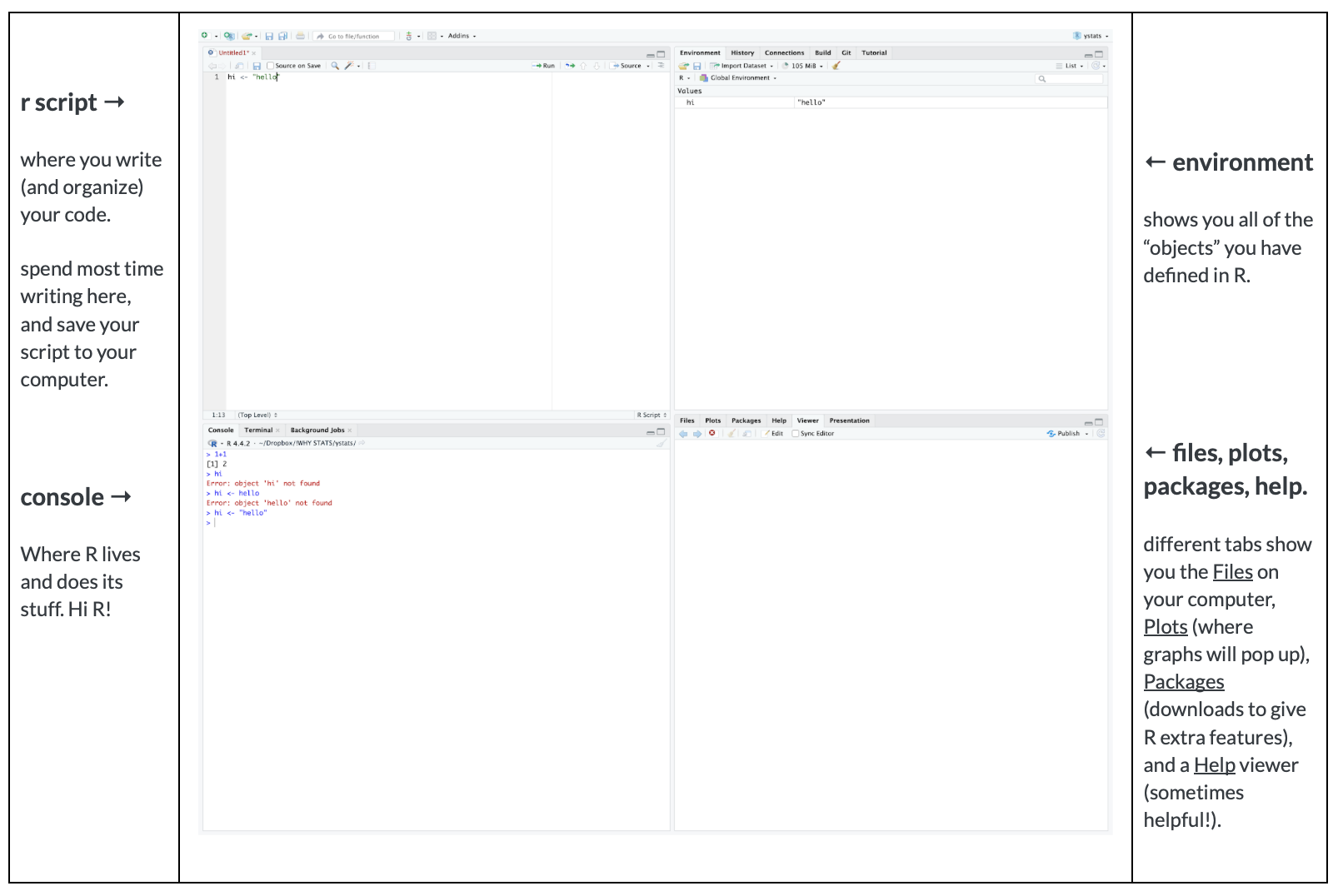
RStudio : Integrated Development Environment (IDE)
Activities.

  • Let’s explore R (and when I say R, I mean to access & open RStudio.)

  • Things to do :

    • create a script.

    • write a basic math problem that caused you trouble as a kid.

    • teach R something (use the assign function)

    • play around! it’s okay to break things.

Check-Out : tinyurl.com/byefirstclass